Living with diabetes presents its own set of challenges, but for some, these challenges are compounded by the presence of Post-Traumatic Stress Disorder (PTSD). This complex relationship means that the impact of trauma can significantly affect how an individual manages their diabetes, influencing everything from blood sugar control to overall well-being. Understanding this connection is crucial for effective management and support.
What is PTSD?
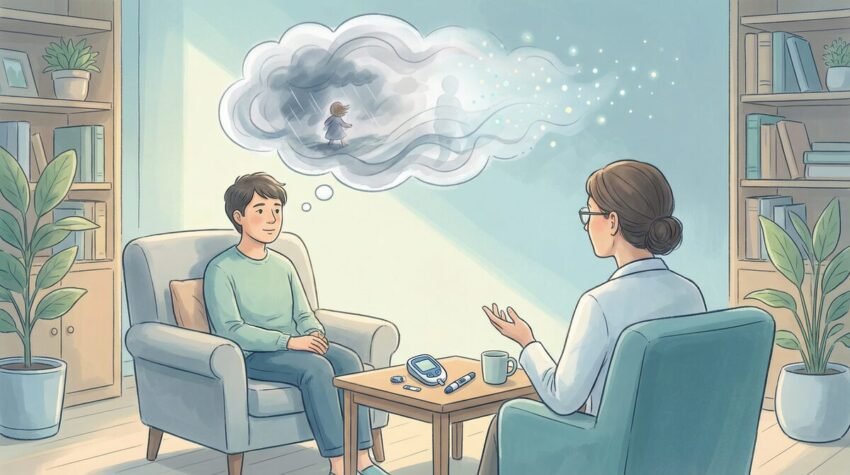
Post-Traumatic Stress Disorder (PTSD) is a mental health condition that can develop after experiencing or witnessing a terrifying event. Symptoms can include flashbacks, nightmares, severe anxiety, and uncontrollable thoughts about the event. While often associated with combat veterans, PTSD can arise from various traumatic experiences, including accidents, abuse, natural disasters, or even medical events. For individuals with diabetes, trauma might stem from severe hypoglycaemic episodes, the shock of diagnosis, or the ongoing stress of managing a chronic condition.
ℹ️ Understanding Trauma
Trauma is not limited to major catastrophic events. For someone with diabetes, the trauma could be a severe hypoglycaemic episode, a difficult diagnosis, or the constant vigilance required for managing the condition.
The Link Between PTSD and Diabetes
Research has increasingly highlighted a significant, often bidirectional, link between PTSD and diabetes. Chronic stress, a hallmark of PTSD, can profoundly impact the body’s physiological responses, including blood sugar regulation. When under stress, the body releases hormones like cortisol and adrenaline, which can increase glucose production and reduce insulin sensitivity, making blood sugar control more difficult. This sustained physiological arousal can contribute to the development of Type 2 Diabetes (T2D) in individuals with PTSD.
Studies have shown a higher prevalence of T2D among individuals diagnosed with PTSD. Furthermore, the experience of living with diabetes itself can be traumatic, leading to diabetes-related post-traumatic stress symptoms (DR-PTSS). These symptoms might manifest as intense fear of complications, avoidance of diabetes-related activities like blood glucose monitoring or injections, and feelings of helplessness or anger related to the condition. This creates a challenging cycle where each condition can exacerbate the other.
How PTSD Affects Diabetes Management
PTSD can erect significant barriers to effective diabetes management, affecting both behavioural and physiological aspects.
Behavioural Impacts
Individuals with PTSD may struggle with adherence to their diabetes management plan. Symptoms such as avoidance, depression, and anxiety can lead to:
- Difficulty with medication adherence: Forgetting to take insulin or oral medications, or intentionally skipping doses.
- Poor dietary choices: Using food as a coping mechanism, leading to irregular eating patterns or consumption of unhealthy foods.
- Reduced physical activity: Lack of motivation or energy, or avoidance of activities due to anxiety or fear.
- Disrupted sleep patterns: Insomnia or nightmares can further impair glucose metabolism and increase stress.
Physiological Impacts
Beyond behavioural changes, the physiological toll of PTSD directly affects diabetes control:
- Stress hormones: Elevated cortisol and adrenaline levels can lead to persistent hyperglycaemia (high blood sugar).
- Inflammation: Chronic stress can promote systemic inflammation, which is linked to insulin resistance and cardiovascular complications.
- Increased risk of complications: Poorly controlled blood sugar due to PTSD can accelerate the development of both microvascular (e.g., retinopathy, nephropathy) and macrovascular (e.g., heart disease, stroke) complications.
⚠️ Warning: The Vicious Cycle
The interplay between PTSD and diabetes can create a challenging cycle where each condition exacerbates the other, making effective management more difficult without targeted support.
Recognising the Signs
It is vital for individuals with diabetes and their healthcare providers to recognise the signs of PTSD or DR-PTSS. These might include:
- Intense fear or anxiety related to diabetes procedures (e.g., injections, blood tests).
- Avoidance of diabetes-related discussions, appointments, or self-care tasks.
- Recurrent distressing memories or flashbacks related to diabetes events.
- Increased irritability, difficulty concentrating, or hypervigilance.
- Feelings of detachment or emotional numbness concerning their diabetes.
Coping Strategies and Support
Managing both PTSD and diabetes requires a comprehensive and integrated approach. Seeking professional help is a crucial first step.
Professional Support
- Psychotherapy: Therapies such as Cognitive Behavioural Therapy (CBT) and Eye Movement Desensitisation and Reprocessing (EMDR) are highly effective for PTSD. These can help individuals process traumatic memories and develop healthier coping mechanisms.
- Integrated Care: Working with healthcare providers who understand the interplay between mental and physical health is essential. Discussing mental health concerns openly with your diabetes care team can lead to better-coordinated treatment.
Self-Care and Lifestyle Adjustments
- Mindfulness and Relaxation Techniques: Practices like deep breathing exercises, meditation, and yoga can help reduce stress, improve emotional regulation, and positively impact blood sugar levels.
- Building a Support System: Connecting with family, friends, or diabetes support groups can provide emotional validation and practical advice. Sharing experiences can reduce feelings of isolation.
- Healthy Lifestyle: Prioritising adequate sleep, maintaining a balanced diet, and engaging in regular physical activity are fundamental for both diabetes management and mental well-being. These habits can help stabilise mood and improve overall resilience.
✅ Key Takeaway
The intersection of diabetes and PTSD presents unique challenges, but it is a landscape that can be navigated with understanding, support, and effective strategies. Recognising the profound impact trauma can have on diabetes management is the first step towards fostering resilience and improving health outcomes. By addressing both conditions holistically, individuals can achieve better control over their diabetes and reclaim their emotional well-being. Remember, you are not alone, and help is available.
 English
  Arabic
  Spanish
  Urdu
Urdu