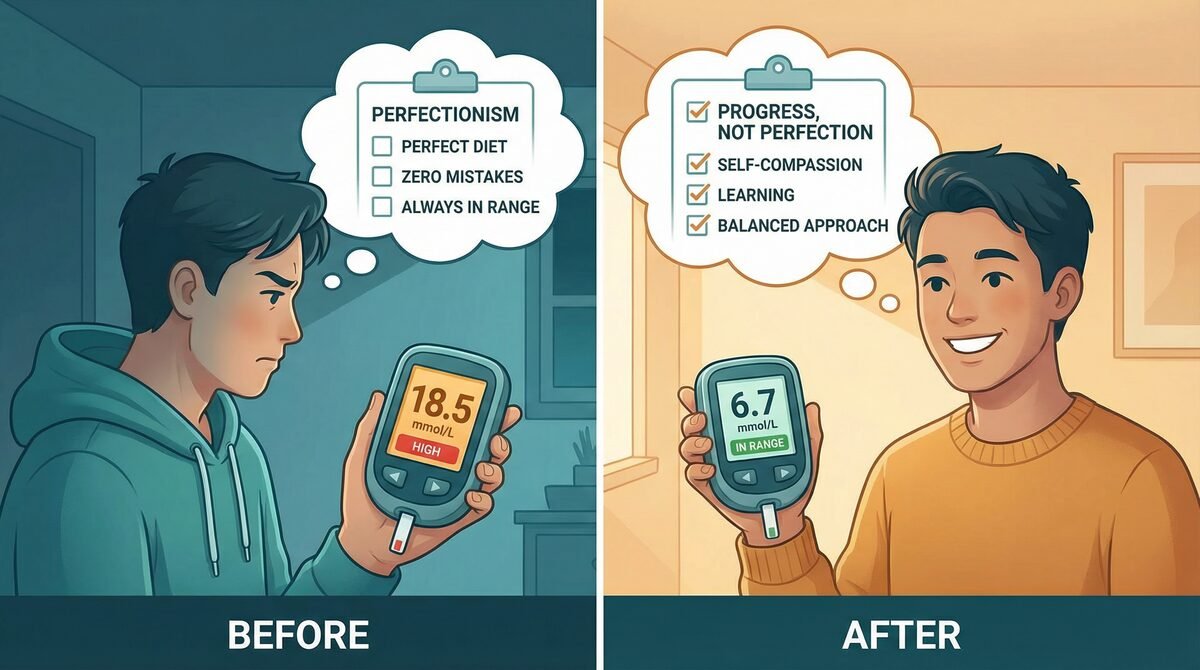
Living with diabetes often feels like a constant balancing act, demanding meticulous attention to diet, exercise, medication, and blood glucose monitoring. For many, the desire to manage their condition perfectly can be overwhelming, leading to a phenomenon known as diabetes perfectionism. While striving for good health is commendable, an unrelenting pursuit of perfection in diabetes management can paradoxically hinder progress and significantly impact well-being.
The Double-Edged Sword of Perfectionism
Perfectionism, in its essence, is a personality trait characterised by a person’s striving for flawlessness and setting excessively high performance standards, accompanied by overly critical self-evaluations. In the context of diabetes, this might manifest as an intense focus on achieving ideal blood glucose readings, adhering strictly to every dietary rule, or never missing a dose of medication. On the surface, this dedication seems beneficial, but it often comes with a hidden cost.
Research indicates that while some aspects of perfectionism can be adaptive, such as setting high standards, maladaptive perfectionism—characterised by excessive concern over mistakes and doubts about actions—is strongly linked to negative outcomes. For individuals with diabetes, this can translate into increased stress, anxiety, and a higher risk of diabetes burnout. The constant pressure to be ‘perfect’ can lead to feelings of failure when targets are not met, even slightly, which is an inevitable part of living with a fluctuating condition like diabetes.
ℹ️ Understanding Diabetes Burnout
Diabetes burnout is a state of emotional and physical exhaustion, leading to feelings of frustration, defeat, and a sense of being controlled by diabetes. It’s a common experience for those who feel overwhelmed by the constant demands of diabetes self-management.
How Perfectionism Can Hinder Diabetes Care
- Increased Stress and Anxiety: The relentless pursuit of perfect numbers can elevate stress hormones, which in turn can affect blood glucose levels, creating a vicious cycle. The fear of making mistakes or not meeting self-imposed standards can lead to chronic anxiety, impacting overall mental health.
- Diabetes Burnout: When the emotional and physical demands of diabetes management become too great, individuals may experience burnout. This can manifest as apathy, frustration, and a disengagement from self-care activities, leading to poorer health outcomes. Perfectionists are particularly vulnerable to burnout because their high standards are often unsustainable.
- Avoidance and Procrastination: Paradoxically, the fear of not being able to achieve perfection can lead to avoidance. An individual might delay checking blood glucose, skip appointments, or neglect meal planning because they feel they cannot do it ‘perfectly’, leading to a deterioration in management.
- Unrealistic Expectations: Diabetes is a dynamic condition influenced by numerous factors, many of which are beyond an individual’s control. Expecting consistently perfect blood glucose readings or an unwavering adherence to a strict regimen is unrealistic and can lead to profound disappointment and self-criticism.
- Impact on Quality of Life: The mental burden of perfectionism can overshadow the joy of life. Social events might be avoided due to rigid dietary rules, or exercise might become a chore rather than an enjoyable activity, all in the name of ‘perfect’ control.
⚠️ The Danger of All-or-Nothing Thinking
Perfectionism often fosters an ‘all-or-nothing’ mindset. For example, after eating a piece of cake, a perfectionist might think, ‘I’ve ruined my diet, so I may as well eat whatever I want for the rest of the day.’ This can lead to a cycle of restriction and overindulgence, which is detrimental to diabetes management.
Recognising the Signs
It’s important to recognise when perfectionism is becoming detrimental. Signs might include:
- Excessive self-criticism over minor fluctuations in blood glucose.
- Feeling overwhelmed or constantly stressed by diabetes management tasks.
- Avoiding social situations due to fear of not adhering to dietary plans.
- Experiencing guilt or shame when diabetes targets are not met.
- A tendency to give up on management efforts after a perceived ‘failure’.
Strategies for a Healthier Approach
Moving away from perfectionism towards a more balanced and compassionate approach is crucial for long-term diabetes management and overall well-being. Here are some strategies:
- Embrace ‘Good Enough’: Understand that diabetes management is about consistency and progress, not perfection. Aim for ‘good enough’ rather than ‘perfect’. Small, consistent efforts yield better results than sporadic, intense attempts at flawlessness.
- Set Realistic Goals: Work with your healthcare team to set achievable and flexible goals. Focus on trends and averages rather than individual numbers. Celebrate small victories and learn from setbacks without self-blame.
- Practice Self-Compassion: Treat yourself with the same kindness and understanding you would offer a friend. Acknowledge that living with diabetes is challenging, and it’s okay to have off days. Self-compassion can reduce stress and improve resilience.
- Focus on Learning, Not Judging: View fluctuations in blood glucose or deviations from your plan as opportunities to learn and adjust, rather than failures. What caused the change? What can be done differently next time?
- Seek Support: Talk to your healthcare team, a diabetes educator, or a mental health professional if you are struggling with perfectionism or diabetes burnout. Connecting with others who understand your experiences can also be incredibly helpful.
- Mindfulness and Acceptance: Practising mindfulness can help you stay present and observe your thoughts and feelings without judgment. Acceptance of the unpredictable nature of diabetes can reduce the emotional toll of striving for unattainable perfection.
✅ Key Takeaway
Managing diabetes is a marathon, not a sprint. The pursuit of perfection can be an exhausting and ultimately counterproductive journey. By embracing flexibility, setting realistic goals, and practicing self-compassion, individuals with diabetes can foster a healthier relationship with their condition, leading to improved physical and mental well-being. Remember, progress, not perfection, is the key to thriving with diabetes.
 English
  Arabic
  Spanish
  Urdu
Urdu