
"> "> exercise Archives - Living Diabetes

Starting Outdoor Exercise in Spring: A Guide for People with Diabetes

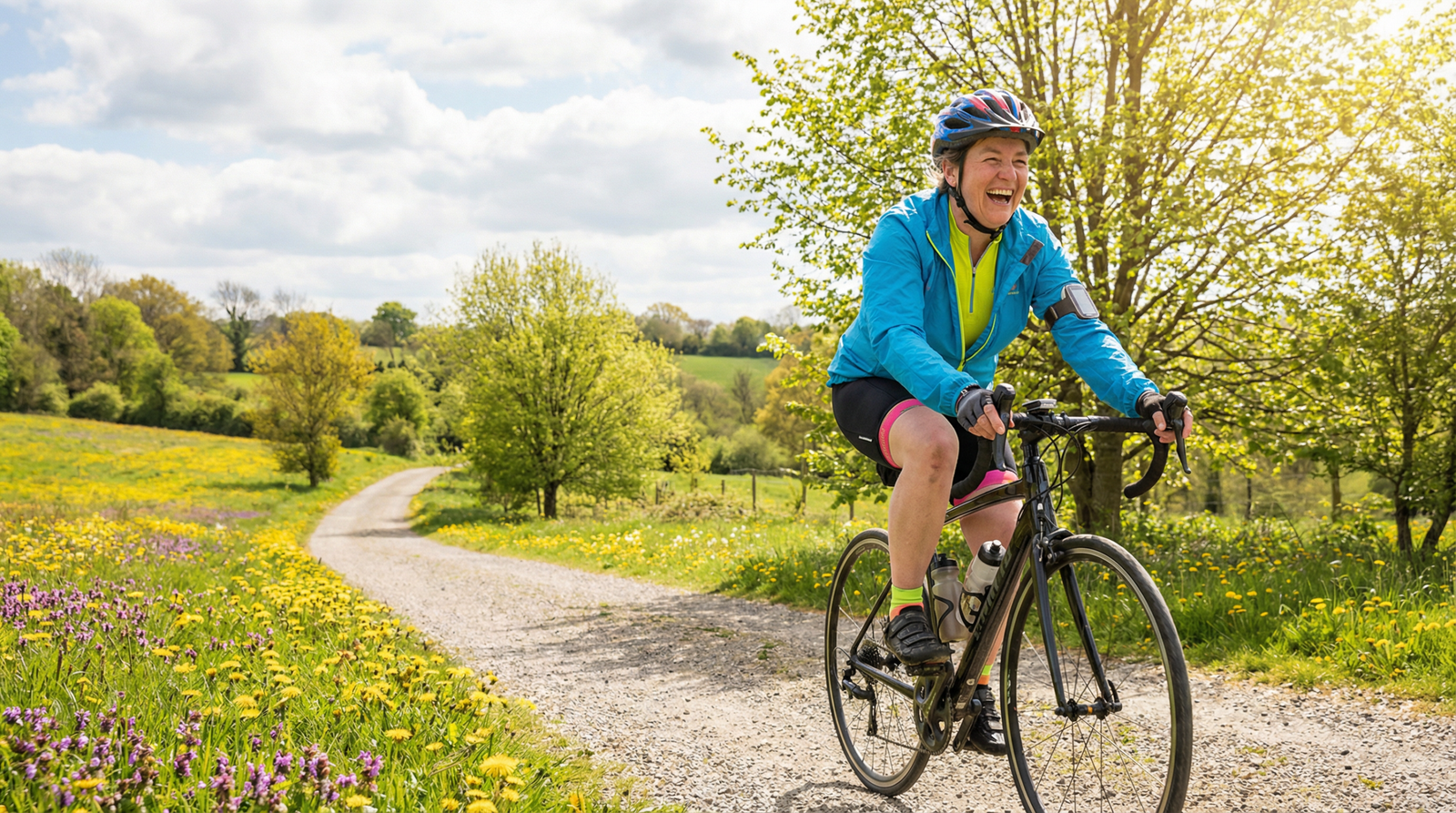
Woman cycling along a scenic countryside path surrounded by spring wildflowers

As the days get longer and the weather improves, the call of the outdoors is hard to resist. For people with diabetes, spring is the perfect time to start or restart an outdoor exercise routine. A brisk walk, a bike ride, or some time spent gardening can do wonders for your blood sugar, mood, and overall health.

Before You Head Out: The Preparation Checklist

A little planning can ensure your outdoor activity is safe and enjoyable.

  1. Check Your Blood Sugar: Test before you start. If you are prone to exercise-induced hypoglycemia, you may need a small snack if your blood sugar is on the lower side (e.g., below 100 mg/dL or 5.5 mmol/L).
  2. Wear the Right Shoes: Proper footwear is non-negotiable. Choose comfortable, well-fitting athletic shoes and moisture-wicking socks to prevent blisters and protect your feet.
  3. Carry Hypo Treatments: Always have a source of fast-acting glucose with you, such as glucose tabs, gels, or juice boxes, just in case your blood sugar drops.
  4. Stay Hydrated: Bring a water bottle, especially as the weather gets warmer.
  5. Tell Someone Your Route: Let a friend or family member know where you are going and when you expect to be back, especially if you are heading out on a longer walk or hike.

Timing is Everything: Exercising 1-2 hours after a meal is often a good time, as blood sugar is likely to be higher. Avoid exercising when your short-acting insulin is at its peak activity to reduce the risk of lows.

Easing Into It

If you\’ve been less active over the winter, don\’t jump into a high-intensity routine on day one. Start slow and build up gradually.

  • Start with Walking: Walking is one of the best and most accessible forms of exercise. Begin with 15-20 minute walks and gradually increase your duration and pace.
  • Find an Activity You Enjoy: You\’re more likely to stick with it if you love it. Try cycling, hiking, tennis, or even just active gardening.
  • Check Your Feet Afterwards: After every walk or workout, take off your shoes and socks and inspect your feet for any redness, blisters, or cuts. Catching problems early is key to preventing serious complications.

Key Takeaway

Spring offers a fantastic opportunity to get active outdoors. With careful preparation—checking your blood sugar, wearing proper shoes, and carrying supplies—you can safely enjoy the benefits of exercise. Start slow, find an activity you love, and make it a consistent part of your diabetes management routine.



Related articles

Walking for Heart Health with Diabetes: A 4-Week Programme

Walking is the most accessible, evidence-based exercise for people with diabetes. It requires no equipment, no gym membership, and no special fitness level. Yet its cardiovascular and metabolic benefits are profound: regular brisk walking reduces HbA1c, lowers blood pressure, improves cholesterol, aids weight management, and reduces the risk of major cardiovascular events by up to 30%.

The Evidence for Walking in Diabetes

A landmark meta-analysis published in Diabetes Care found that walking programmes reduced HbA1c by an average of 0.5% in people with type 2 diabetes — comparable to the effect of some oral medications. The NAVIGATOR trial and multiple prospective cohort studies have shown that walking 30 minutes per day, five days per week, reduces the risk of cardiovascular events by 19–30% in people with diabetes.

Post-meal walking is particularly effective for blood glucose management. Research shows that a 10–15 minute walk after meals reduces post-prandial glucose spikes by 12–22% — more effectively than a single 30-minute walk at another time of day. This makes post-meal walking one of the simplest and most impactful interventions available.

Your 4-Week Heart Health Walking Programme

WeekDurationFrequencyIntensityFocus
Week 115–20 min4× per weekComfortable paceBuild habit; check glucose response
Week 220–25 min4–5× per weekBrisk (slightly breathless)Increase pace; add post-meal walks
Week 325–30 min5× per weekBrisk with 2-min faster intervalsIntroduce interval walking
Week 430 min5× per weekBrisk with 5-min faster intervalsConsolidate routine; aim for 150 min/week
⚠️ Safety Tips for Walking with Diabetes
  • Check blood glucose before walking if on insulin or sulfonylureas; aim for 7–10 mmol/L
  • Carry fast-acting glucose (glucose tablets or gel) on every walk
  • Wear well-fitting, cushioned footwear and check feet after each walk
  • Avoid walking in extreme heat or cold, which can affect glucose and cardiovascular stress
  • Wear a medical ID or carry identification noting your diabetes
💡 Key Takeaway

Walking is one of the most powerful and accessible interventions for cardiovascular health in diabetes. Even 10-minute post-meal walks can meaningfully reduce glucose spikes. This 4-week programme provides a structured, progressive approach to building a sustainable walking habit that protects both your heart and your blood sugar.


Related articles

Cardio Workouts That Won’t Cause Hypos: A Safe Exercise Guide for Diabetes

Exercise is one of the most powerful tools for managing diabetes and protecting cardiovascular health. Yet for many people with diabetes — particularly those on insulin or sulfonylureas — the fear of hypoglycaemia during or after exercise is a genuine barrier to physical activity. Understanding how different types of exercise affect blood glucose allows you to train safely and confidently.

How Exercise Affects Blood Glucose

The relationship between exercise and blood glucose is complex and depends on the type, intensity, and duration of activity. Aerobic exercise (moderate-intensity, sustained cardio) generally lowers blood glucose by increasing glucose uptake in muscle cells — an insulin-independent process mediated by GLUT4 transporters. This effect can persist for 24–48 hours after exercise, increasing the risk of delayed hypoglycaemia.

High-intensity interval training (HIIT) and resistance training can actually cause a transient rise in blood glucose due to the release of counter-regulatory hormones (adrenaline, cortisol, glucagon) that stimulate hepatic glucose production. This makes them potentially safer for those prone to exercise-induced hypoglycaemia.

The Safest Cardio Approaches for People with Diabetes

Exercise TypeGlucose EffectHypo RiskBest For
Brisk walkingGradual decreaseLow–moderateBeginners, daily activity
SwimmingGradual decreaseModerateJoint problems, all-body cardio
Cycling (steady)Gradual decreaseModerateCardiovascular fitness
HIITInitial rise, then fallLower during; higher afterTime-efficient, insulin users
Resistance trainingInitial riseLow during sessionMuscle preservation, insulin sensitivity
⚠️ Hypo Prevention Strategies
  • Check blood glucose before exercise: aim for 7–10 mmol/L (126–180 mg/dL) before starting
  • If below 5 mmol/L (90 mg/dL), have 15–30g of fast-acting carbohydrates before exercising
  • Reduce basal insulin by 20–50% for prolonged aerobic exercise (discuss with your team)
  • Carry fast-acting glucose (glucose tablets, gel) during every session
  • Check blood glucose after exercise and before bed — delayed hypos are common
  • Use a CGM if available — real-time glucose data transforms exercise safety

A Practical 4-Week Cardio Starter Plan

Week 1–2: 3 × 20-minute brisk walks per week. Check glucose before and after each session. Note your glucose response pattern.

Week 3–4: Increase to 4 × 30-minute sessions. Consider adding 5-minute HIIT intervals (30 seconds fast, 90 seconds recovery) to reduce hypo risk during longer sessions.

Ongoing: Work towards 150 minutes of moderate aerobic activity per week, as recommended by the ADA. Add 2 resistance training sessions per week for optimal metabolic benefit.

💡 Key Takeaway

Exercise is safe and highly beneficial for people with diabetes when approached with the right preparation. Understanding how different exercise types affect your blood glucose, checking levels before and after activity, and carrying fast-acting glucose are the foundations of safe exercise. Start gradually, monitor your response, and build confidence over time.


Related articles