
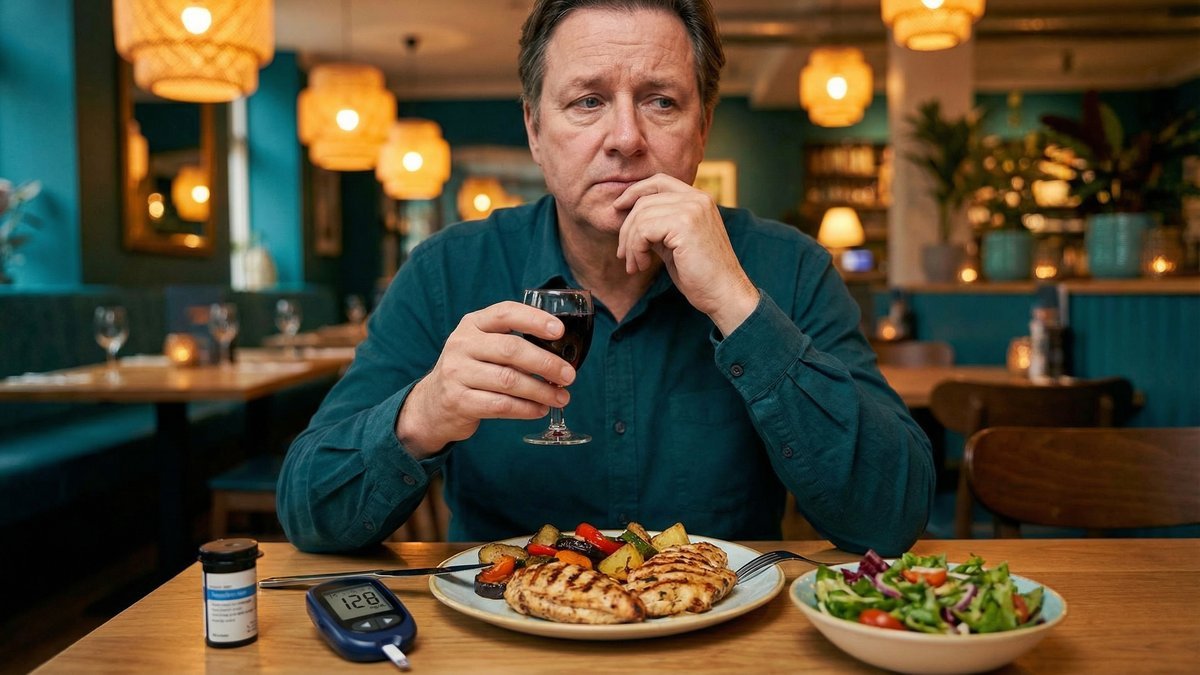
Alcohol and diabetes have a complicated relationship. Moderate consumption may offer some cardiovascular benefits, yet alcohol can cause dangerous hypoglycaemia, interact with diabetes medications, and contribute to weight gain and elevated triglycerides. Understanding the risks and making informed choices is essential for anyone managing diabetes who chooses to drink.
How Alcohol Affects Blood Glucose
The liver plays a central role in both alcohol metabolism and blood glucose regulation. When alcohol is consumed, the liver prioritises metabolising ethanol over its normal glucose-producing functions (gluconeogenesis and glycogenolysis). This means that for several hours after drinking, the liver’s ability to release glucose into the bloodstream is impaired — creating a significant risk of hypoglycaemia, particularly in people taking insulin or sulfonylureas.
This risk is compounded by the fact that hypoglycaemia symptoms (confusion, dizziness, slurred speech) can easily be mistaken for intoxication — both by the person themselves and by bystanders. This is why wearing a medical ID and informing companions about diabetes is particularly important when drinking.
- Hypoglycaemia can occur up to 12–24 hours after drinking
- Never drink on an empty stomach — always eat carbohydrates with alcohol
- Check blood glucose before bed after drinking; have a carbohydrate snack if below 7 mmol/L
- Set an alarm to check glucose during the night if you have consumed significant alcohol
- Glucagon may be less effective when alcohol is present — ensure companions know this
Cardiovascular Effects: The Evidence
The relationship between alcohol and cardiovascular health has been extensively debated. Observational studies have suggested a J-shaped curve: moderate drinkers (1–2 units per day) appear to have lower rates of coronary heart disease than non-drinkers, potentially due to alcohol’s effects on HDL cholesterol and platelet aggregation. However, more recent Mendelian randomisation studies — which are less susceptible to confounding — suggest that even moderate alcohol consumption increases overall cardiovascular risk, particularly for atrial fibrillation, hypertension, and haemorrhagic stroke.
The current consensus from major cardiovascular organisations is that there is no safe level of alcohol consumption from a purely cardiovascular perspective. If you do not currently drink, there is no cardiovascular justification to start.
Practical Guidelines for Drinking with Diabetes
| Guideline | Recommendation |
|---|---|
| Maximum intake | No more than 14 units per week (UK); spread over 3+ days |
| Best choices | Dry wine, spirits (with sugar-free mixers); avoid sugary cocktails and beer |
| Always eat | Never drink on an empty stomach; eat carbohydrates with alcohol |
| Monitor glucose | Check before, during (if prolonged), and before bed; set overnight alarm |
| Wear medical ID | Ensures correct treatment if hypo is mistaken for intoxication |
Alcohol can be consumed in moderation by most people with diabetes, but it requires careful management. The primary risks are hypoglycaemia (particularly delayed, overnight hypos) and elevated triglycerides. Always eat when drinking, monitor glucose carefully, and keep within recommended limits. If you take insulin or sulfonylureas, discuss alcohol management specifically with your diabetes team.

 English
  Arabic
  Spanish
  Urdu
Urdu