See also: Insulin Resistance: Causes, Tests, and How to Reverse It — our complete pillar guide.
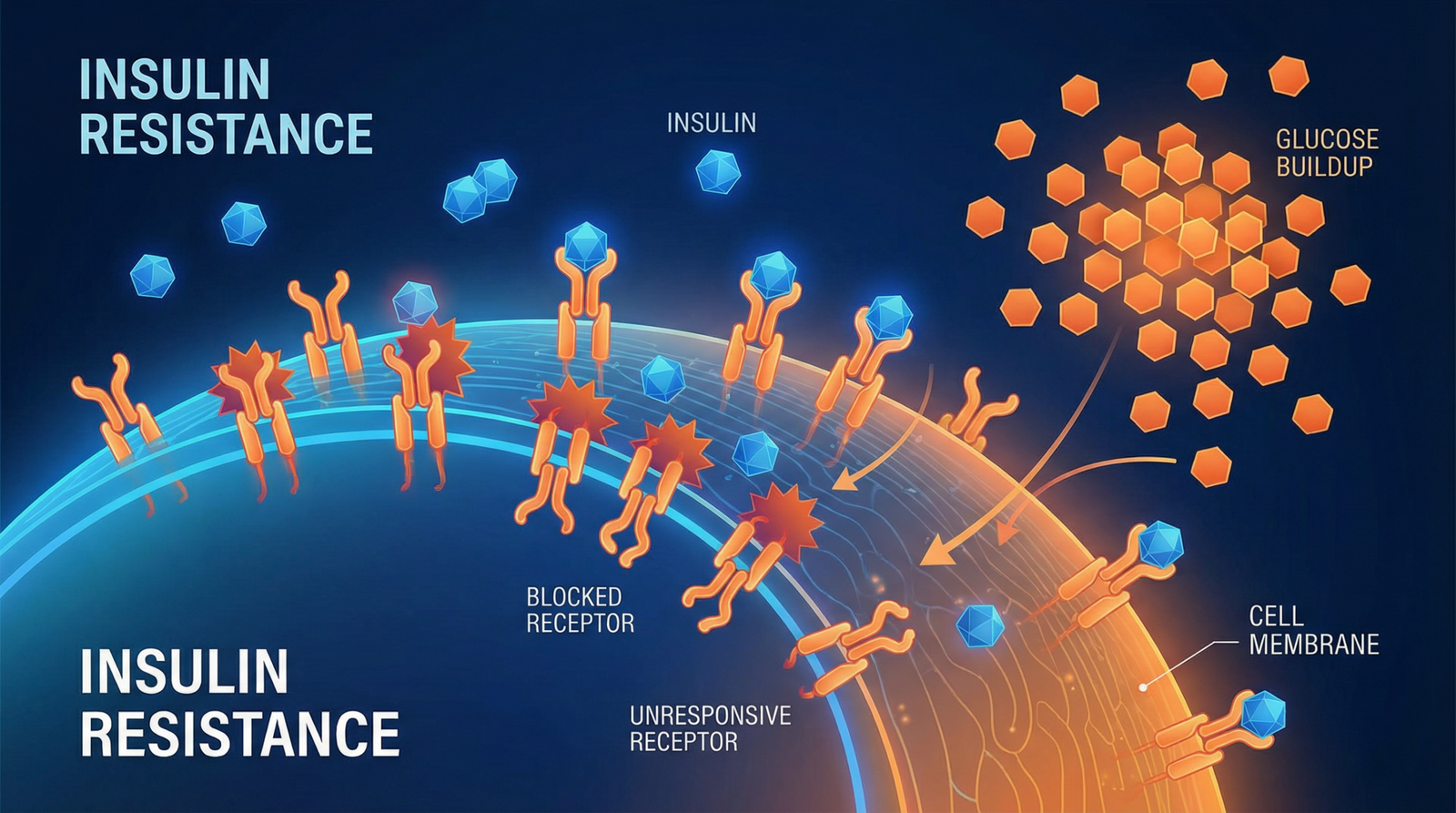
# The Science Behind Insulin Resistance: What Happens in Your Body Insulin resistance stands as the fundamental cause which leads to multiple metabolic disorders including prediabetes and type 2 diabetes. The process inside your body which causes cell resistance to insulin remains unclear. The scientific study of insulin resistance requires an investigation into the cellular operations and subsequent biological processes which cause this widespread medical condition. ## The Role of Insulin To understand insulin resistance, we must first understand the role of insulin. The pancreas produces insulin which serves as a key to open your cells for glucose from your blood to enter and generate energy. Your body transforms carbohydrates into glucose which then enters your bloodstream after eating. Your pancreas releases insulin to control the blood sugar levels which increase after you eat. Your body transforms food into glucose which provides essential energy for proper cell operations. However, in a state of insulin resistance, this well-orchestrated system begins to break down.## The Breakdown of Communication: Cellular Resistance Insulin resistance develops when your cells in muscles and fat tissue and liver become unresponsive to insulin signals. The key no longer fits the lock as easily, and glucose has a harder time entering the cells. The body stores fat in inappropriate areas when people consume too many processed foods and unhealthy fats which results in ectopic fat deposition. The body stores fat in inappropriate areas which scientists refer to as ectopic fat deposition. The stored fat molecules diacylglycerol inside these cells create obstacles for insulin signaling to work properly. [1] * **Inflammation:** Obesity and a poor diet can lead to chronic low-grade inflammation. The body develops a continuous state of mild inflammation because of obesity together with unhealthy eating habits. The body experiences a persistent mild inflammatory state because people become obese and consume unhealthy food. The body’s response to obesity and unhealthy eating habits leads to chronic minor inflammation. The body experiences a state of long-lasting mild inflammation because of obesity together with unhealthy eating practices. The body develops a state of lasting mild inflammation because of obesity together with poor dietary choices. The body experiences a state of long-lasting mild inflammation which scientists call chronic low-grade inflammation because of obesity together with poor dietary choices. The body’s response to obesity and unhealthy eating habits leads to chronic minor inflammation. The body develops a state of lasting mild inflammation because of obesity together with poor dietary choices. The body experiences a state of long-lasting mild inflammation which scientists call chronic low-grade inflammation because of obesity together with poor dietary choices. The body develops a state of lasting mild inflammation because of obesity together with poor dietary choices. The body experiences a state of long-lasting mild inflammation which scientists call chronic low-grade inflammation because of obesity together with poor dietary choices. The body develops a state of lasting mild inflammation because of obesity together with poor dietary choices. The body experiences a state of long-lasting mild inflammation which scientists call chronic low-grade inflammation because of obesity together with poor dietary choices. The body develops a state of lasting mild inflammation because of obesity together with poor dietary choices. The body experiences a state of long-lasting mild inflammation which scientists call chronic low-grade inflammation because of obesity together with poor dietary choices. The body develops a state of lasting mild inflammation because of obesity together with poor dietary choices. The body experiences a state of long-lasting mild inflammation which scientists call chronic low-grade inflammation because of obesity together with poor dietary choices. The body develops a state of lasting mild inflammation because of obesity together with poor dietary choices. The body experiences a state of long-lasting mild inflammation which scientists call chronic low-grade inflammation because of obesity together with poor dietary choices. The body develops a state of lasting mild inflammation because of obesity together with poor dietary choices. The body experiences a state of long-lasting mild inflammation which scientists call chronic low-grade inflammation because of obesity together with poor dietary choices. The body develops a state of lasting mild inflammation because of obesity together with poor dietary choices. The body experiences a state of long-lasting mild inflammation which scientists call chronic low-grade inflammation because of obesity together with poor dietary choices. The body develops a state of lasting mild inflammation because of obesity together with poor dietary choices. The body experiences a state of long-lasting mild inflammation which scientists call chronic low-grade inflammation because of obesity together with poor dietary choices. The body develops a state of lasting mild inflammation because of obesity together with poor dietary choices. The body experiences a state of long-lasting mild inflammation which scientists call chronic low-grade inflammation because of obesity together with poor dietary choices. The body develops a state of lasting mild inflammation because of obesity together with poor dietary choices. The body experiences a state of long-lasting mild inflammation which scientists call chronic low-grade inflammation because of obesity together with poor dietary choices. The body develops a state of lasting mild inflammation because of obesity together with poor dietary choices. The body experiences a state of long-lasting mild inflammation which scientists call chronic low-grade inflammation because of obesity together with poor dietary choices. The body develops a state of lasting mild inflammation because of obesity together with poor dietary choices. The body experiences a state of long-lasting mild inflammation which scientists call chronic low-grade inflammation because of obesity together with poor dietary choices. The body develops a state of lasting mild inflammation because of obesity together with poor dietary choices. The body experiences a state of long-lasting mild inflammation which scientists call chronic low-grade inflammation because of obesity together with poor dietary choices. The body develops a state of lasting mild inflammation because of obesity together with poor dietary choices. The body experiences a state of long-lasting mild inflammation which scientists call chronic low-grade inflammation because of obesity together with poor dietary choices. The body develops a state of lasting mild inflammation because of obesity together with poor dietary choices. The body experiences a state of long-lasting mild inflammation which scientists call chronic low-grade inflammation because of obesity together with poor dietary choices. The body develops a state of lasting mild inflammation because of obesity together with poor dietary choices. The body experiences a state of long-lasting mild inflammation which scientists call chronic low-grade inflammation because of obesity together with poor dietary choices. The body develops a state of lasting mild inflammation because of obesity together with poor dietary choices. The body experiences a state of long-lasting mild inflammation which scientists call chronic low-grade inflammation because of obesity together with poor dietary choices. The body develops a state of lasting mild inflammation because of obesity together with poor dietary choices. The body experiences a state of long-lasting mild inflammation which scientists call chronic low-grade inflammation because of obesity together with poor dietary choices. The body develops a state of lasting mild inflammation because of obesity together with poor dietary choices. The body experiences a state of long-lasting mild inflammation which scientists call chronic low-grade inflammation because of obesity together with poor dietary choices. The body develops a state of lasting mild inflammation because of obesity together with poor dietary choices. The body experiences a state of long-lasting mild inflammation which scientists call chronic low-grade inflammation because of obesity together with poor dietary choices. The body develops a state of lasting mild inflammation because of obesity together with poor dietary choices. The body experiences a state of long-lasting mild inflammation which scientists call chronic low-grade inflammation because of obesity together with poor dietary choices. The body develops a state of lasting mild inflammation because of obesity together with poor dietary choices. The body experiences a state of long-lasting mild inflammation which scientists call chronic low-grade inflammation because of obesity together with poor dietary choices. The body develops a state of lasting mild inflammation because of obesity together with poor dietary choices. The body experiences a state of long-lasting mild inflammation which scientists call chronic low-grade inflammation because of obesity together with poor dietary choices. The body develops a state of lasting mild inflammation because of obesity together with poor dietary choices. The body experiences a state of long-lasting mild inflammation which scientists call chronic low-grade inflammation because of obesity together with poor dietary choices. The body develops a state of lasting mild inflammation because of obesity together with poor dietary choices. The body experiences a state of long-lasting mild inflammation which scientists call chronic low-grade inflammation because of obesity together with poor dietary choices. The body develops a state of lasting mild inflammation because of obesity together with poor dietary choices. The body experiences a state of long-lasting mild inflammation which scientists call chronic low-grade inflammation because of obesity together with poor dietary choices. The body develops a state of lasting mild inflammation because of obesity together with poor dietary choices. The body experiences a state of long-lasting mild inflammation which scientists call chronic low-grade inflammation because of obesity together with
 English
  Arabic
  Spanish
  Urdu
Urdu